









.png)

.png)
.avif)

.avif)





Marketing agents write posts, run campaigns, and drive insights while your team can focus on strategy.
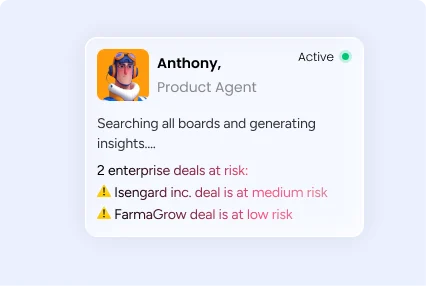
Accessibility Findings Agent
AI agent templates built for real use cases — connected to the work your team already does.
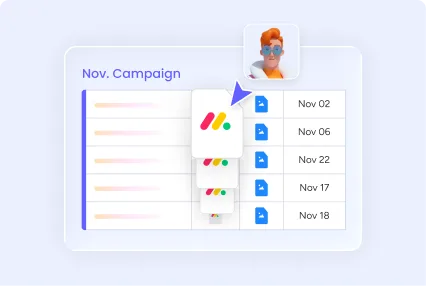
Duplicate Work Agent
AI agent templates built for real use cases — connected to the work your team already does.
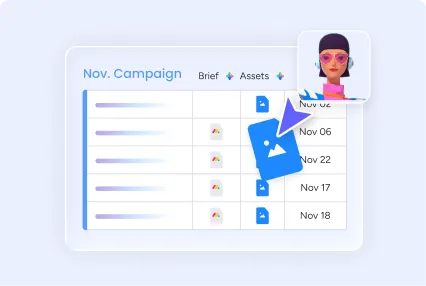
Mobile Parity Agent
AI agent templates built for real use cases — connected to the work your team already does.
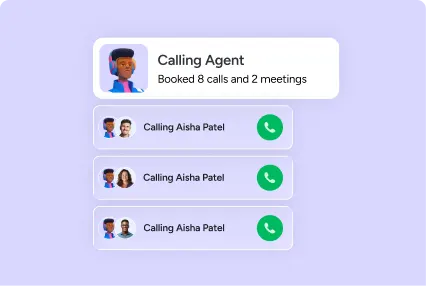
Feature Request Agent
AI agent templates built for real use cases — connected to the work your team already does.
Experiment Insights Agent
AI agent templates built for real use cases — connected to the work your team already does.
Feedback Digest Agent
AI agent templates built for real use cases — connected to the work your team already does.
Review Readiness Agent
AI agent templates built for real use cases — connected to the work your team already does.
Don't see what you need? Build it.
AI agents and custom apps, ready to use, built into the work your team already does.

Identifies growth and efficiency opportunities and generates structured action plans with clear next steps and impact.



Scans company data to detect revenue risks, cost leaks, and underperforming initiatives in real time.

Prepares agendas, summarizes context, and tracks decisions and follow-ups so leaders stay focused on priorities.

.avif)

Coordinates interviews by syncing availability. Handles booking, reminders, and rescheduling without manual effort.

.png)

Evaluates applications against role criteria, filters non-fits, and highlights top candidates for faster hiring decisions.


Sources and ranks candidates across channels. Initiates personalized outreach and improves based on recruiter feedback.

.avif)

Detects and classifies incidents, alerts the right teams, and tracks resolution. Ensures post-mortems are completed and learnings captured.


Audits content quality, identifies gaps from ticket trends, and updates knowledge base articles using real resolution data.


Classifies, prioritizes, and routes tickets automatically. Sets SLAs and resolves common issues using knowledge base data.



Uses templates and past documents to generate accurate drafts. Applies company policies to produce documents ready for legal review.


Captures requests, asks follow-ups, flags duplicates, and routes work automatically. Surfaces existing answers to reduce repetitive requests.

Converts product decisions into detailed specs with requirements, edge cases, and acceptance criteria so teams can execute without ambiguity.

Synthesizes feedback from support, sales, and usage data. Identifies patterns and recommends what to build next with clear evidence.


Analyzes user behavior, identifies drop-offs, and deploys improvements to increase conversions. Continuously tests and applies learnings across pages.

Generates and adapts content for different channels and audiences. Learns from engagement signals to refine messaging and improve performance over time.

Plans, launches, and optimizes campaigns across channels. Allocates budget dynamically and connects performance to revenue data so teams can scale what drives pipeline.